When Was the Last Time You Lost It with Everyone in a Movie Theater?
From the firsthand experience of watching Niu Lai to the The Room moment in contemporary Chinese cult cinema.

· 8 min read
“When was the last time you lost it with everyone in a movie theater?”
When my friends asked why I would pay to see something as rough and amateurish as Niu Lai at the cinema, this was my answer.
You’ve probably already heard about Niu Lai from the news, social media, or conversations with friends. Its animation looks like something made by a preschooler. In its first nine days in theaters, only 236 people saw it, bringing in a grand total of ¥7,169 (about $1,000).
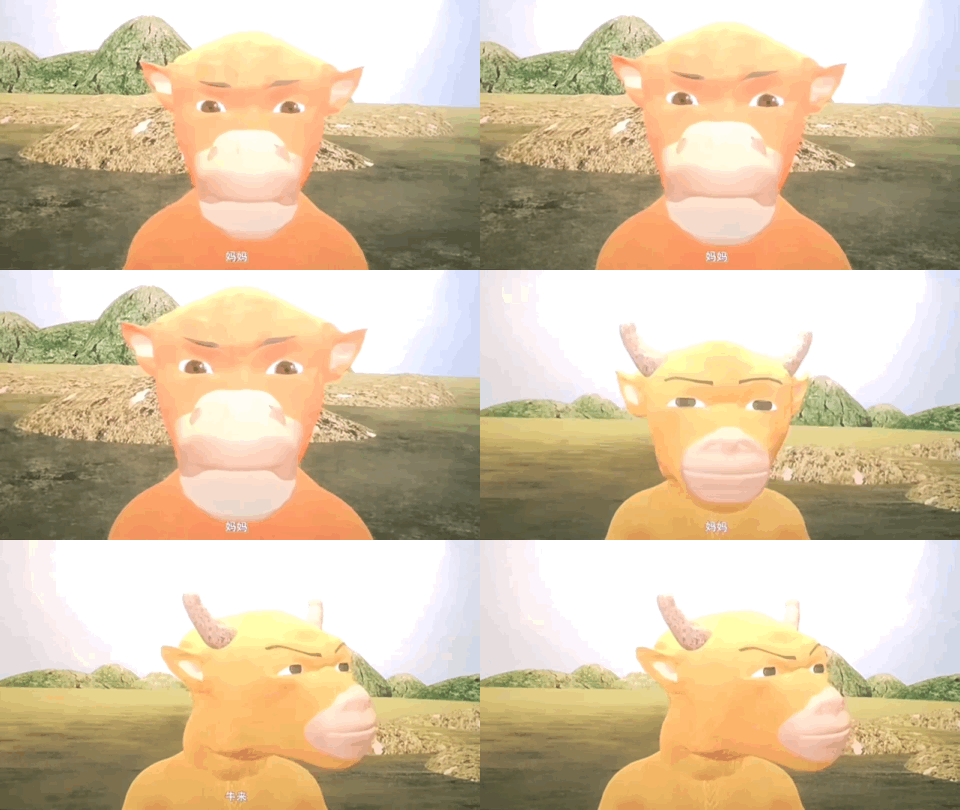
Then clips from the film started circulating online, and they were so hilariously bad that Niu Lai suddenly went viral. As of now, its box office has surpassed ¥10,000,000. Screenings have gone from single digits (or even none at all in many cities) to hundreds, even more than a thousand.
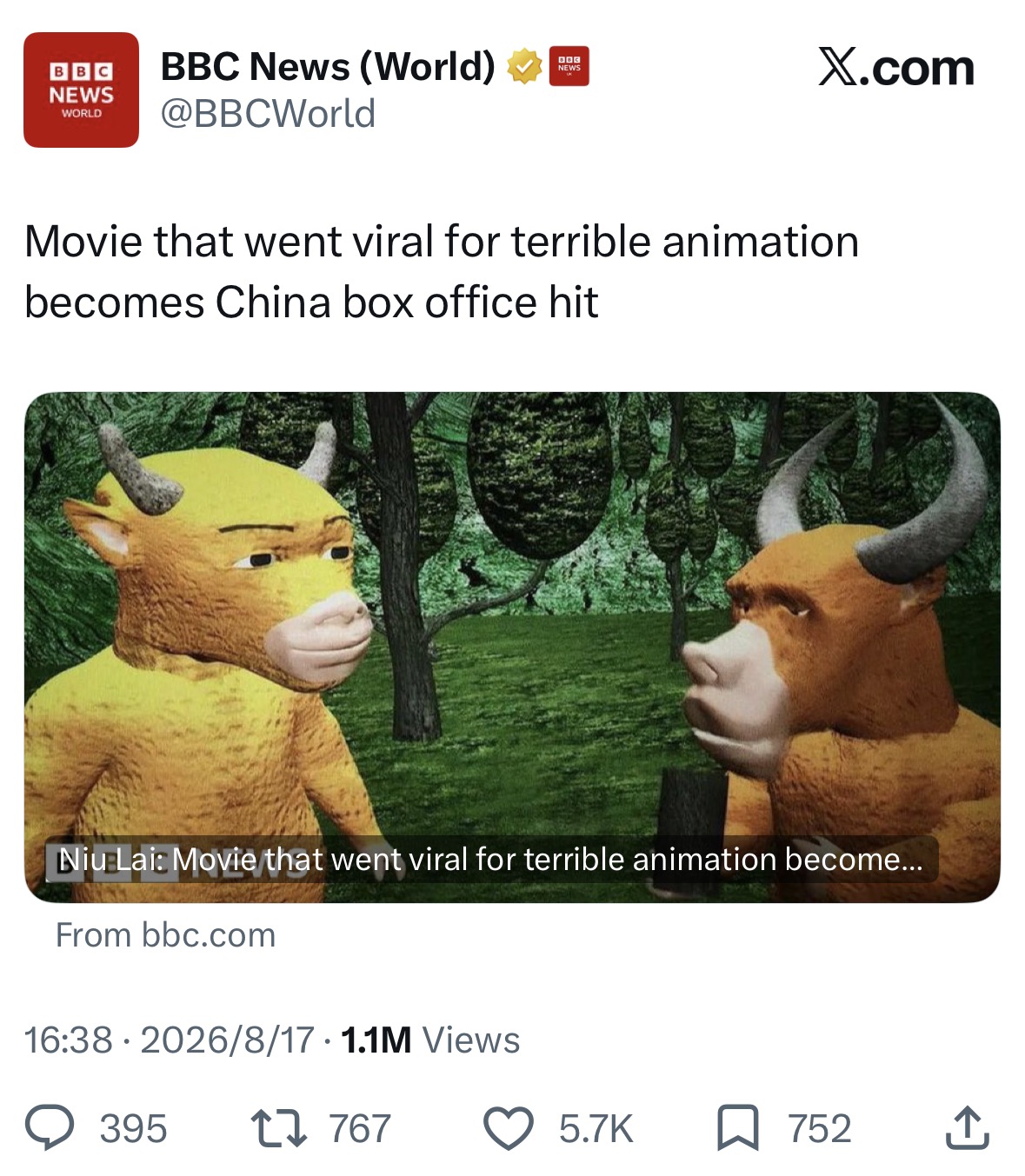
People are now flocking to theaters, whether out of curiosity or simply to join the trend, to “appreciate” an animated film that looks like it was made by the kid next door. I was one of them too, just for a different reason.
I’m a cinephile, and I’m also into cult film culture. Sadly, since I was old enough to start going to the cinema, China has had almost no cult movie culture as America does. My first time going to a cult movie event was actually pretty recent.
A month ago, my girlfriend and I went on a vacation in southern Europe. While we were wandering around Paris, the posters on the wall of a little cinema caught my eye right away.
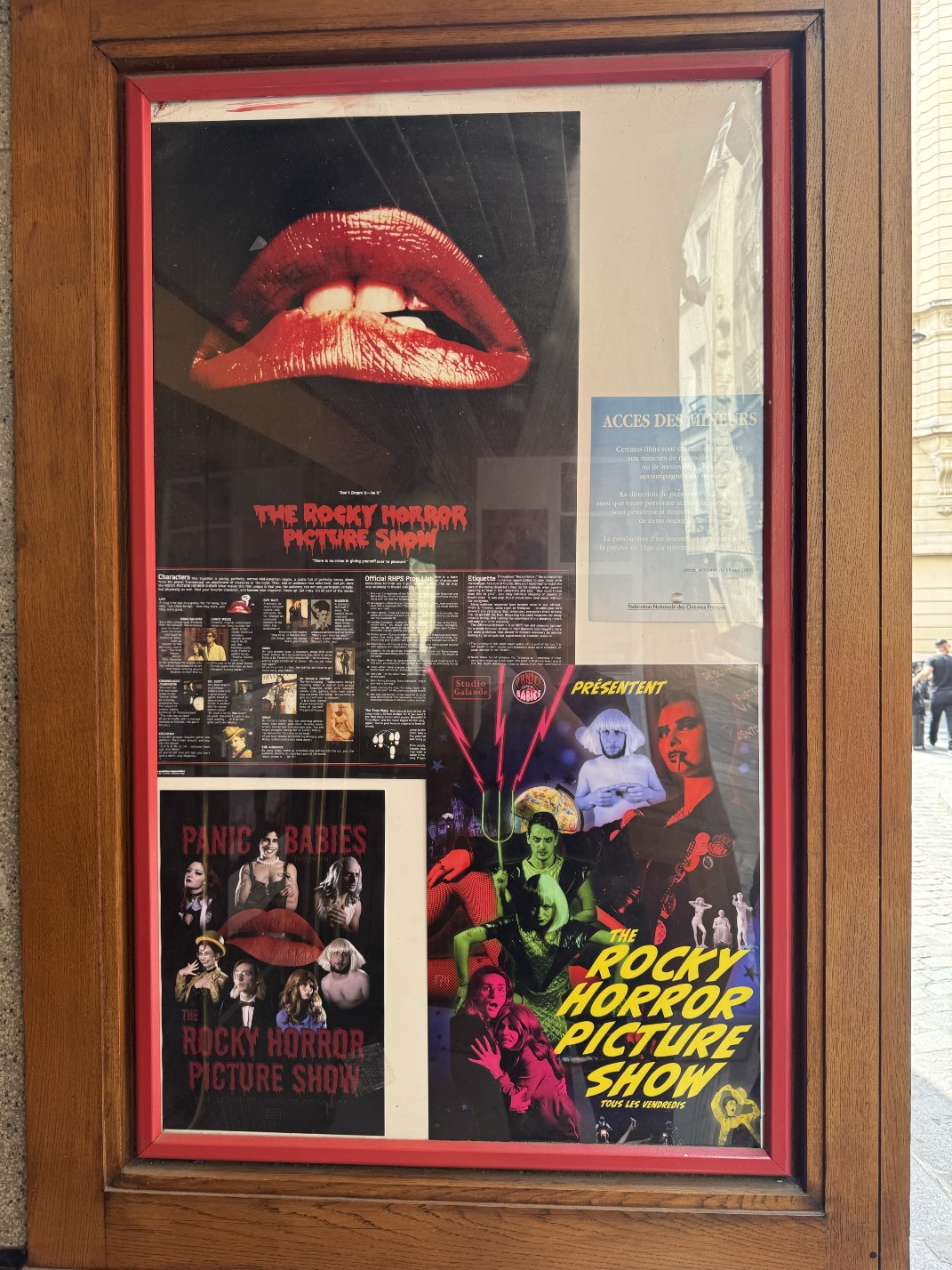
Rocky Horror Picture Show is one of my favourite cult movies. Since no cinemas back home ever showed it, I’d only seen the film on my laptop. So I immediately looked up the cinema and that day’s screenings. To my surprise, this unassuming little place on the street, Studio Galande, turned out to be a real cult-movie shrine: it has been screening The Rocky Horror Picture Show since 1978, complete with live shadow casts.
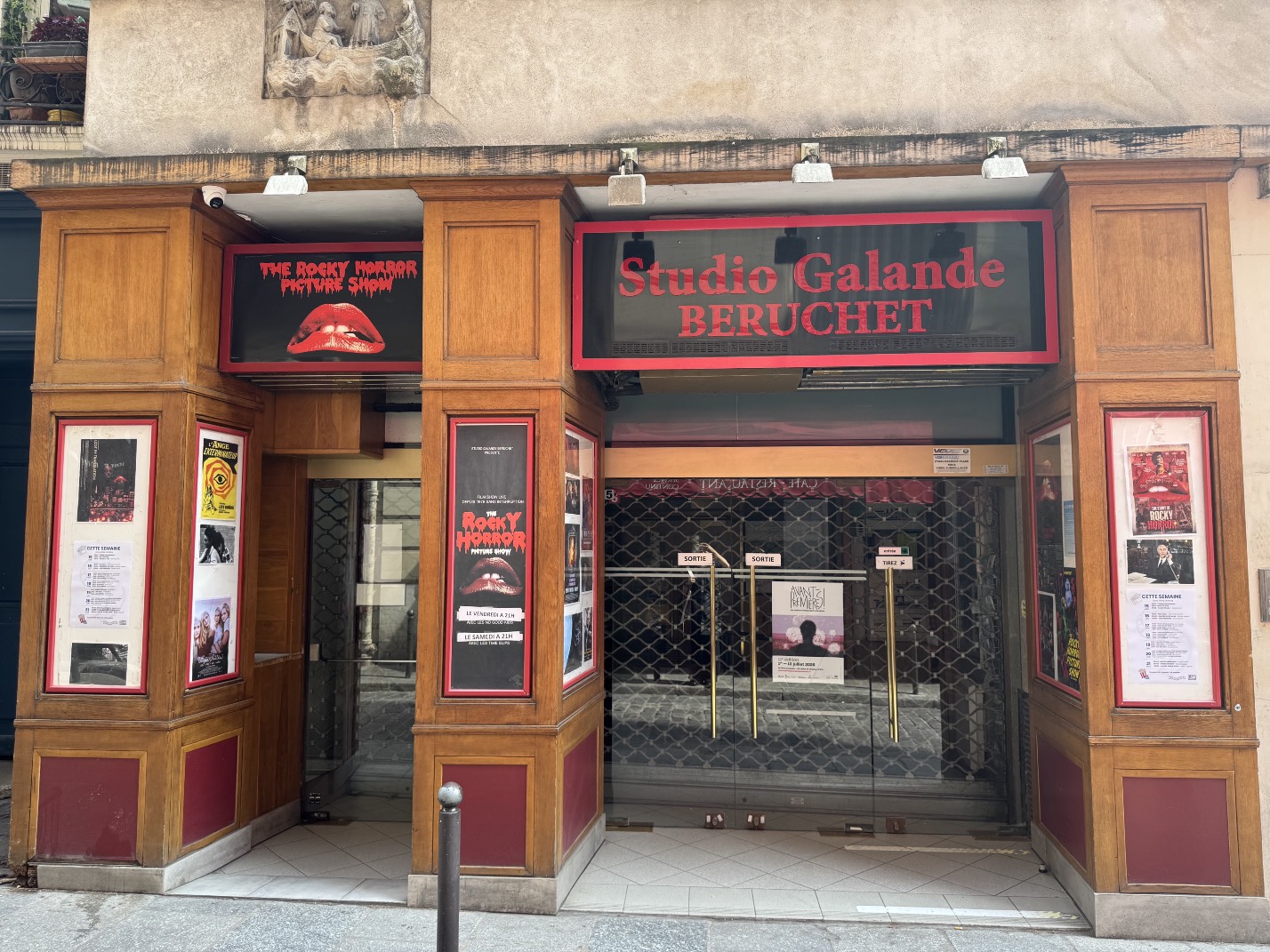
I got to the cinema pretty early that evening. At first, I was a little worried that maybe not many people still came out for Rocky Horror these days. But as showtime got closer, more and more people arrived, until the little street outside was almost completely packed.
The shadow cast that night was performed by Panic Babies. They also have account on IG @rhpspanicbabies. They were awesome. Even though I don’t speak French and missed some of the jokes, I still had a great time.
As one of the few Asian faces in the audience and a also “virgin” (anyone who’s never seen Rocky Horror live before), I joined the rest of the crowd in the classic “cult rituals”: throwing rice and splashing water along with the movie and the performers, dancing the Time Warp, and chasing the casts around in a conga line. The show also confirmed what I had previously read on Wikipedia about cult movie fans: they really had watched the film over and over again. They could sing along to almost every song and shout out the lines at every iconic moment. There, it didn’t really matter who you were. What mattered was that you were part of the cult.
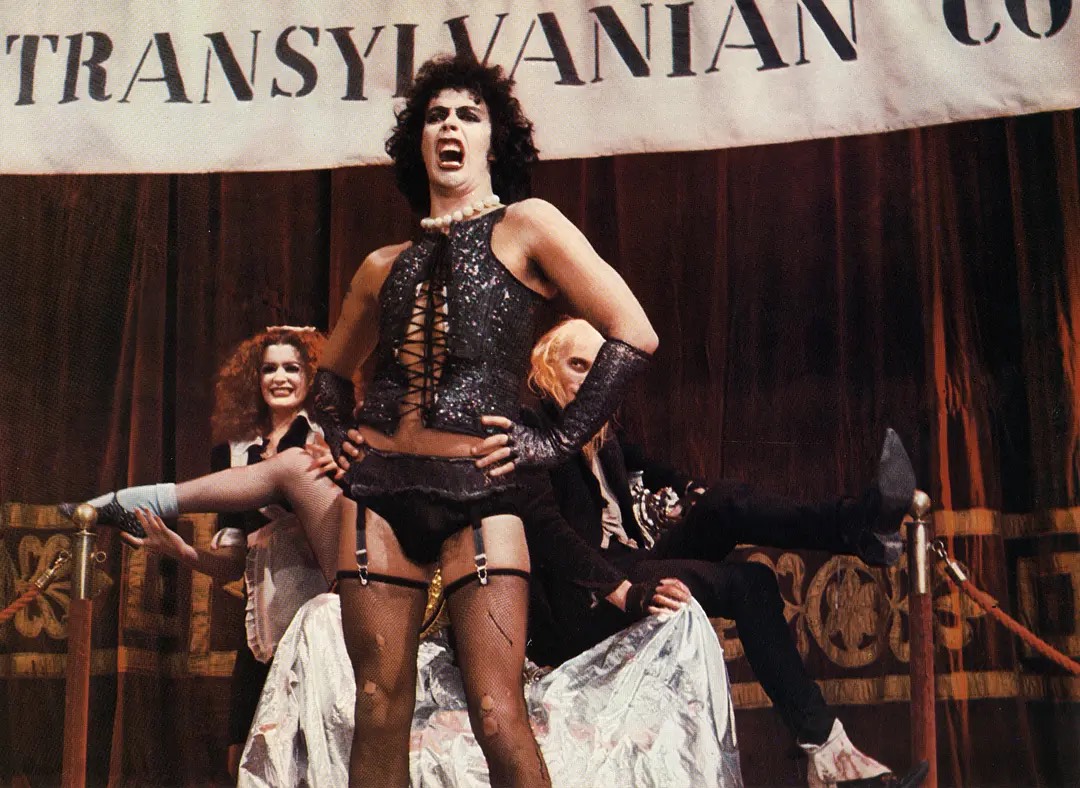
Rocky Horror may be outrageous for many audiences, but it has genuinely great performances, production design, and music. Niu Lai, on the other hand, is nothing like that. The way Niu Lai caught on is actually much closer to The Room.
When The Room came out in 2003, almost nobody cared about it. The acting was awkward, the dialogue was bizarre, and the story often seemed to make very little sense. By most normal standards, it was simply a bad movie.
But somehow, that became the fun of it. A random man Michael Rousselet happened to walk into a nearly empty screening. He thought the movie was so bizarre and unintentionally funny that, before it had even finished, he started calling his friends and telling them they had to come see it. Over the next few days, he kept coming back with more and more people. By one of the later screenings, more than a hundred of them had shown up. That was also when some of the traditions started. The movie inexplicably has framed pictures of spoons all over the apartment, so audiences began shouting “Spoon!” whenever one appeared. Eventually, people started bringing plastic spoons into the cinema and throwing them at the screen. A movie that almost nobody wanted to see had somehow started becoming something people wanted to experience together.
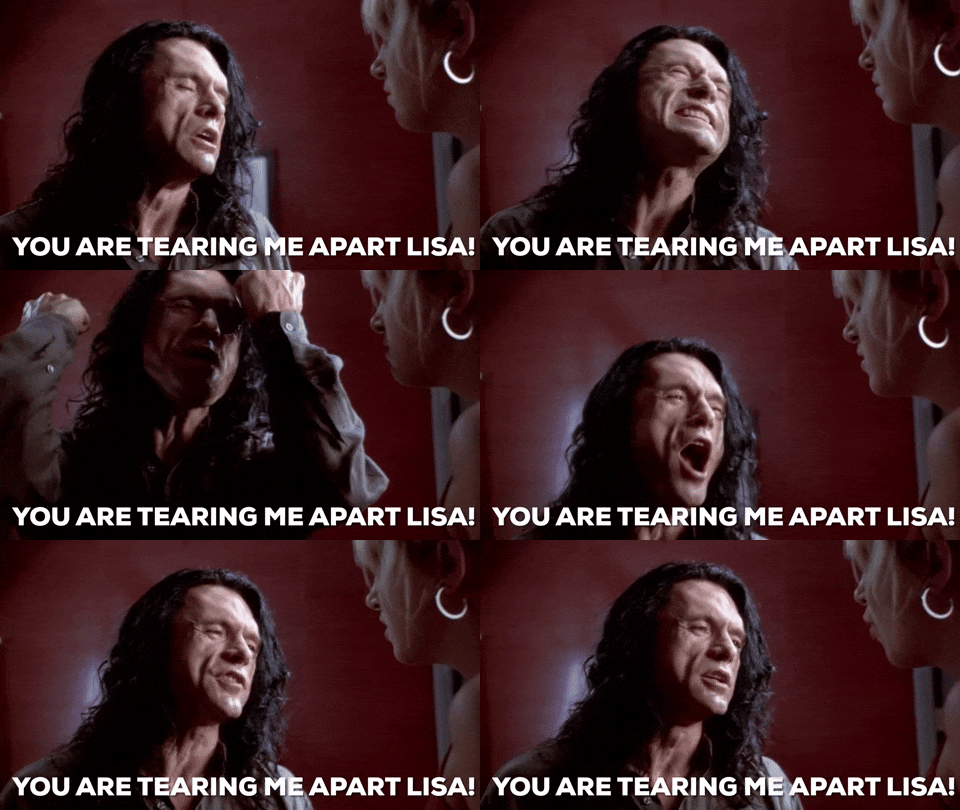
The whole phenomenon around The Room is just so fascinating that its bizarre production story was even turned into a movie: The Disaster Artist (2017). Even today, The Room’s influence still shows up everywhere. You may have never seen or even heard of the movie, but you’ve almost certainly come across this meme on Twitter or in the comment sections of countless websites.
Back to Niu Lai. Almost no one saw it during its first nine days in theaters. But as more and more ridiculous clips started spreading across social media, people began going to the cinema just to see for themselves how absurd the whole thing really was. At first, there were so few screenings that some people even traveled to other cities just to find a cinema showing it and that made everyone else even more curious.
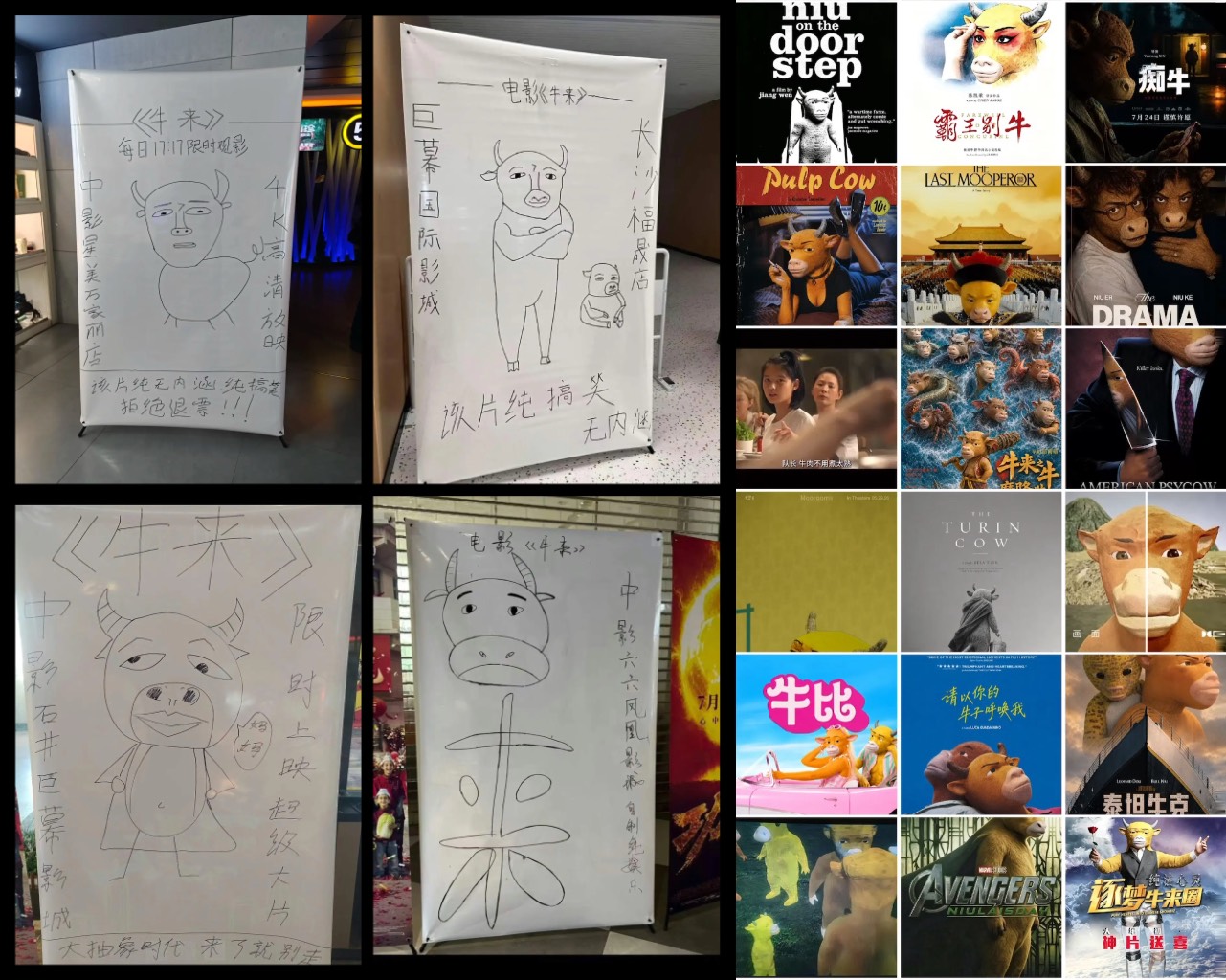
At the same time, cinemas gradually started adding more screenings. Now, Niu Lai is getting almost as many daily showings in China as Spider-Man 4.
The film was directed by someone who used to work at a renovation company, and was made by just a mother-and-son duo. They didn’t even provide cinemas with proper promotional materials, while the official landscape-style poster looked completely out of place with the movie itself. So, eager to ride the wave of attention, many cinemas started making their own intentionally “bad” hand-drawn posters for Niu Lai. The crude posters, paired with the film’s equally rough animation, only added more fuel to the frenzy. At the same time, a lot of people online started using AI to paste Niu Lai into posters for all kinds of classic films. More and more Niu Lai fan edits, parody videos, and memes started popping up too.
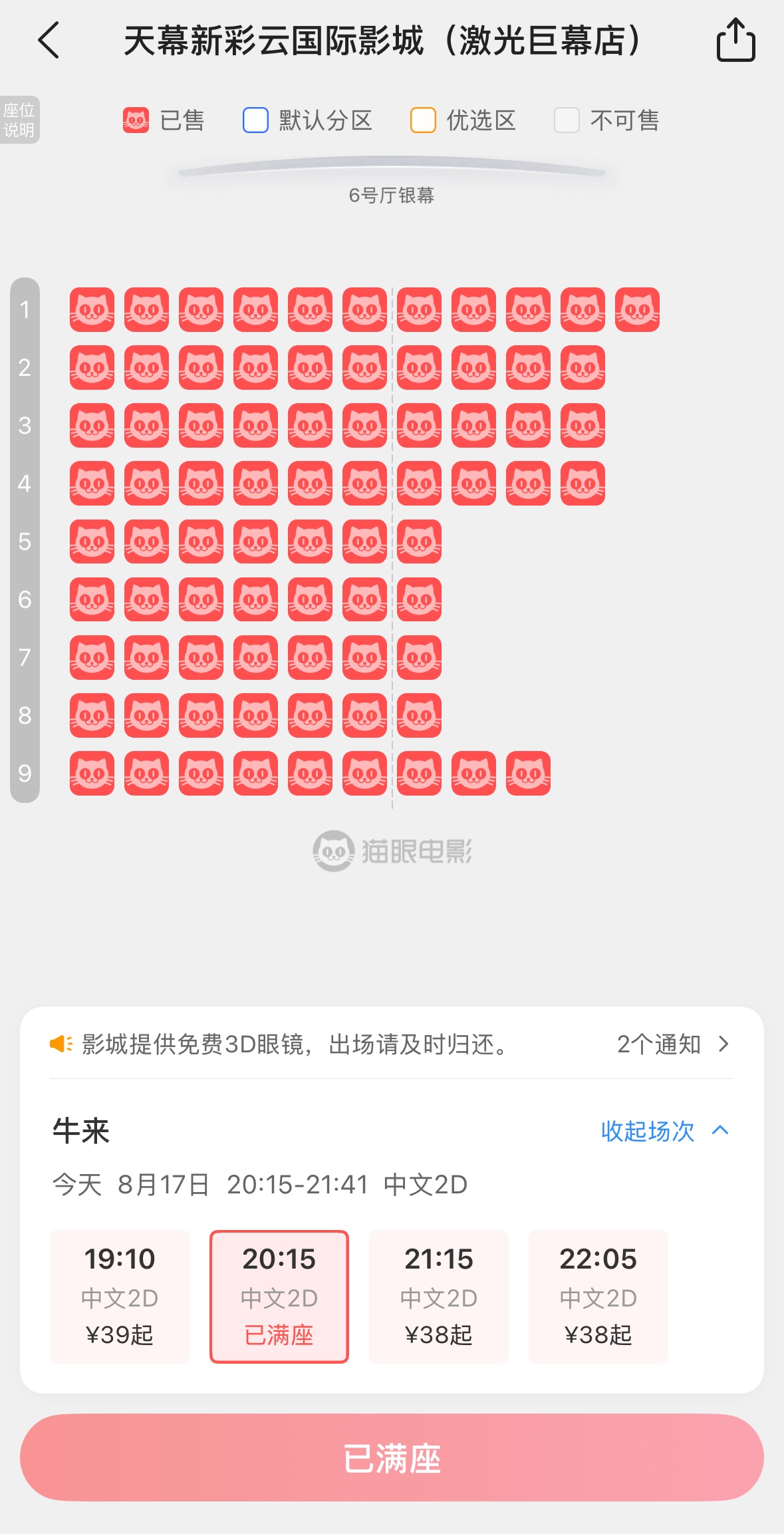
The screening I went to was completely sold out. Some people were there out of curiosity, some came for the hype, and others had been tricked by their friends into “experiencing” this cultural phenomenon for themselves.
During the screening, everyone was laughing pretty much from beginning to end. Just like at cult movie screenings abroad, people shouted along with lines they’d picked up from clips online, and by the end, the whole audience was mooing along with the movie.
I even brought my own prop pack, with Red Bull and milk to recreate one of the film’s most absurd scenes.
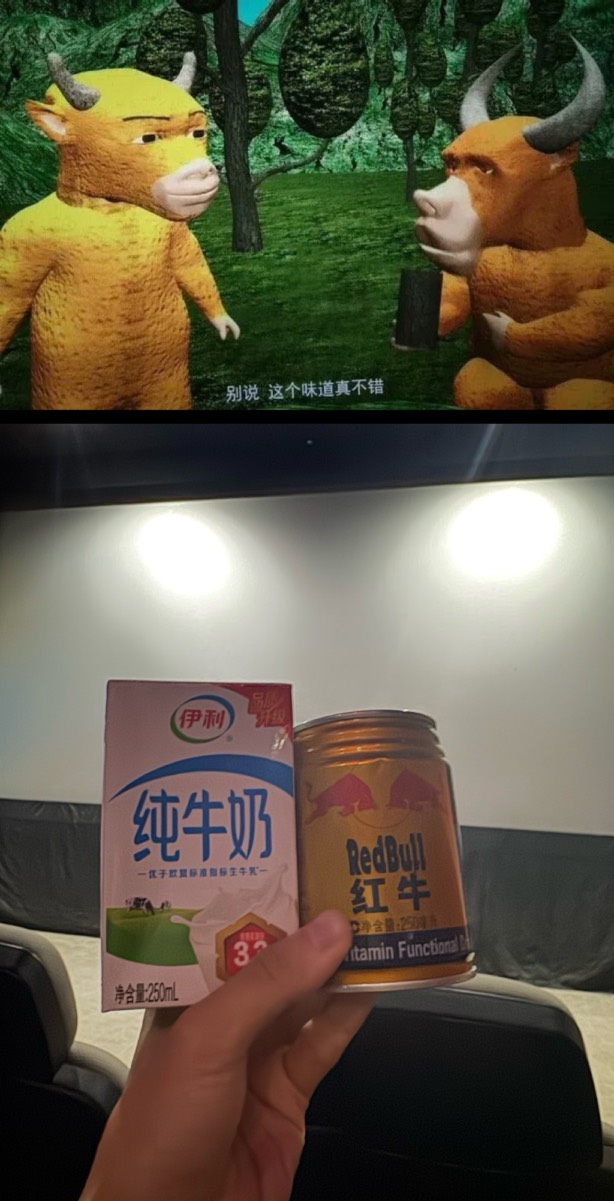
At this point, Niu Lai has pretty much all the ingredients of a cult film, making it arguably the biggest cult movie phenomenon in China today, even if most of the audience knows little or nothing about cult film culture.
Before this, I had serious doubts that cult film culture could really emerge in China today.
On the one hand, China has very strict controls over film distribution and theatrical release. Everything from a movie’s subject matter and content to when it can be shown is regulated, which has greatly limited the production and circulation of exploitation films in China.
On the other hand, access to information is limited. Even when people manage to get hold of films that were never officially released through unofficial channels, they mostly circulate among younger and more geeky audiences. People can share the same pleasures online, but it’s hard for that to grow into a real-life cult film culture when there’s simply nowhere to screen these movies.
That’s what makes the way Niu Lai spread such an interesting case to study.
First, it’s hard to explain how it managed to get past the censors. There are plenty of conspiracy theories floating around online, but I’m inclined to believe the explanation is probably much simpler, though we’ll need more time to know for sure.
Second, it arrived at exactly the right moment, when AI-generated content was starting to flood the internet. People could instantly use AI to remix the film into new jokes, videos, and memes, then spread them online at viral speed.
Also, because theatrical releases are controlled, audiences here have rarely had the chance to see a movie this purely, spectacularly bad on the big screen. That pent-up desire to just gather in a cinema and completely lose it finally had somewhere to go. Watching Niu Lai even started to become a social activity and fueled the frenzy even more.
I’m not a professional film critic or media scholar. So this is just my own rough take. But either way, I think Niu Lai could very well mark the beginning of a new cult film culture in China. And I’m more than happy to buy a ticket and be part of that wave, or in the other word, join the cult.
After I saw Niu Lai, a lot of friends asked me what I thought of the movie. But honestly, the movie itself isn’t really the point. It’s every bit as bad as you’d expect. What matters is being there in person, surrounded by real people, and joining in the madness together. Cult movies have never really been about the movies themselves. They’re about the people who join the cult.